June 25, 2026
Why Your Deodorant Stops Working — And the Fix Nobody Tells You
Deodorant stops working by noon? It's not sweat — it's adaptation. Learn the science, the 5 causes, and the permanent fix here


You showered. You applied deodorant. By noon, you smell. Soundfamiliar? You're not imagining it — and you're not unusually sweaty. Yourdeodorant actually stopped working. Not because you ran out of it. Because yourbody adapted to it.
This is one of the most common grooming frustrations men face,and one of the least honestly explained. Most brands stay quiet about it. Wewon't.
In this article: the real science behind why deodorantloses effectiveness, the 5 most common causes, and exactly what to do to fix it— permanently.
Here's the thing most people get wrong: sweat itself is almostcompletely odorless.
What actually causes body odor is bacteria. Specifically,bacteria on your skin that feed on apocrine sweat — the type your armpitsproduce — and convert it into volatile compounds that reach your nose. Nobacteria, no smell.
Deodorants work by targeting those bacteria. Antiperspirantsgo one step further: they use aluminum compounds to physically block sweatducts. Different problem, different solution.
Quick definition — Deodorant vs. Antiperspirant:
Deodorant = controls odor by targeting bacteria or masking smell.
Antiperspirant = reduces sweat by temporarily blocking sweat glands (contains aluminum).
HOMBRE® sprays are deodorants: aluminum-free, focused on odor control without blocking your body's natural processes.
This phenomenon is commonly called deodorant fatigue. Here arethe actual causes:
The bacteria on your skin are not static. Over weeks andmonths, your skin adapts to the antimicrobial agents in your formula.Strains that are resistant to those specific ingredients begin to dominate.Result: the product that worked perfectly for months suddenly seems useless.
The fix:switch to a product with a different active approach — not just a differentscent.
Using the same formula daily creates a residue layer on theskin surface. Over time, this buildup actually shields odor-producing bacteriafrom the active ingredients — the exact opposite of what you want.
The fix:exfoliate underarms weekly and consider a formula that doesn't leave heavyresidue (sprays tend to perform better here).
Hormonal shifts — caused by stress, diet changes, age,medications — alter the composition of your sweat. A formula calibratedto your body chemistry from two years ago may simply not address what your skinis doing today.
The fix: treatit like a reset. Try a completely different approach, not just a differentbrand of the same product.
Summer heat, intense workouts, or simply more active days pushpast the design limits of most standard formulas. The protection hasn'ttechnically 'stopped working' — it was never designed for that level ofactivity.
The fix: lookfor high-performance formulations that are tested in real conditions, not justlab benchmarks.
This one is underrated. Heat, humidity, and age breakdown the active ingredients in deodorant. If you've had the same stick for 18months or left it in a hot car, the formula has likely degraded.
The fix: checkthe expiration date and store products away from heat and direct sunlight.
Switching brands and hoping for the best rarely works —because most men switch to the same type of formula with a different label.Here's a smarter approach:
Let your skin reset. Wash underarms thoroughly with mild soap,focusing on the follicle area where odor-producing bacteria accumulate. Thisinterrupts the cycle rather than just adding another layer of product.
If you've been using a stick, try a spray. If you've beenusing a roll-on, try a spray. Changing the delivery mechanism changes howactive ingredients interact with the skin surface — which can break theadaptation cycle in ways that changing scents never will.
If you've been using antiperspirant for years, the aluminumbuildup may be disrupting your underarm microbiome in ways that make odor worsewhen you sweat through the formula. Switching to aluminum-free gives your skina genuine reset.
Application timing matters more than most people think.Apply to completely clean, dry skin — ideally after showering and fully dryingoff. For maximum effectiveness, apply at night before sleep, when your bodytemperature is lower.
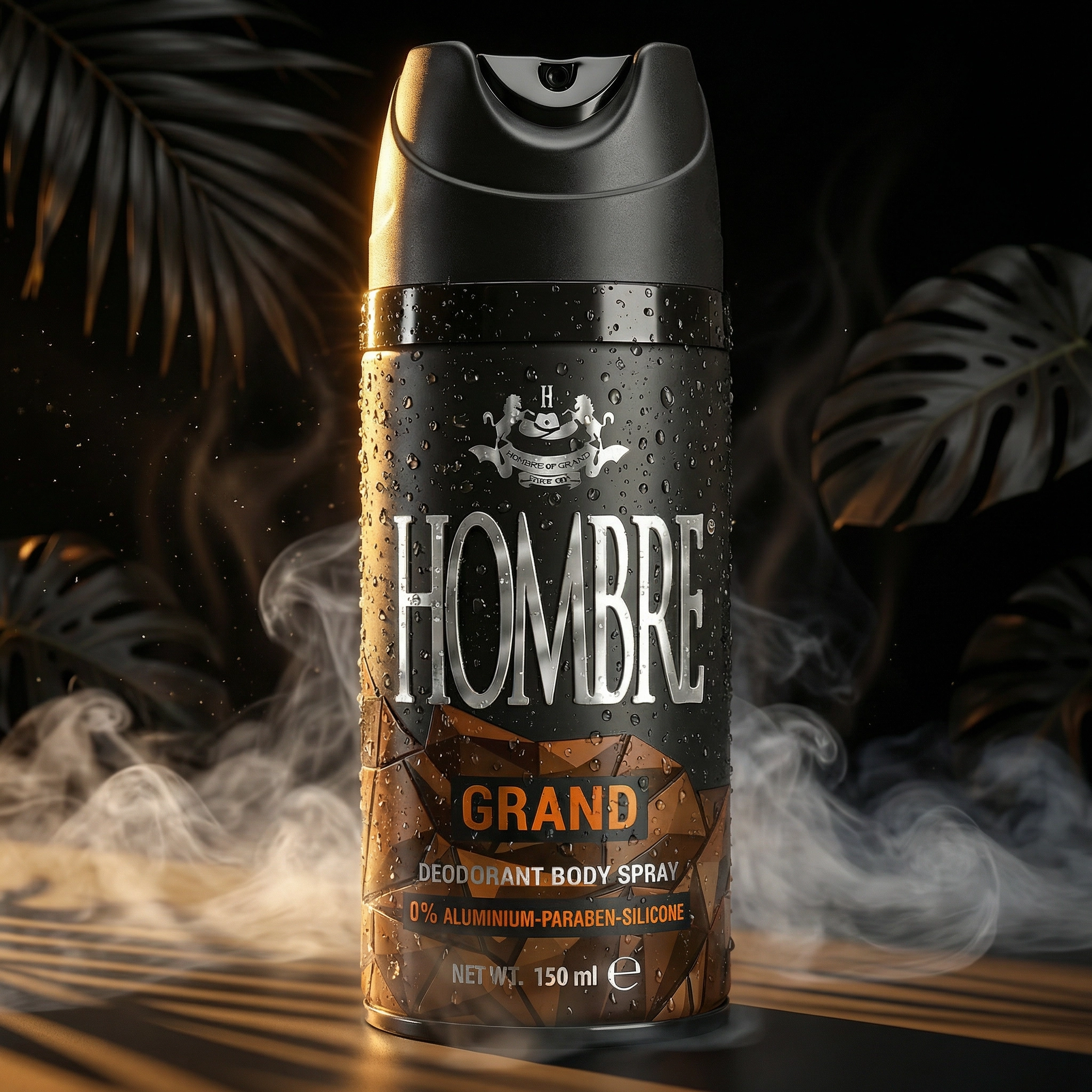
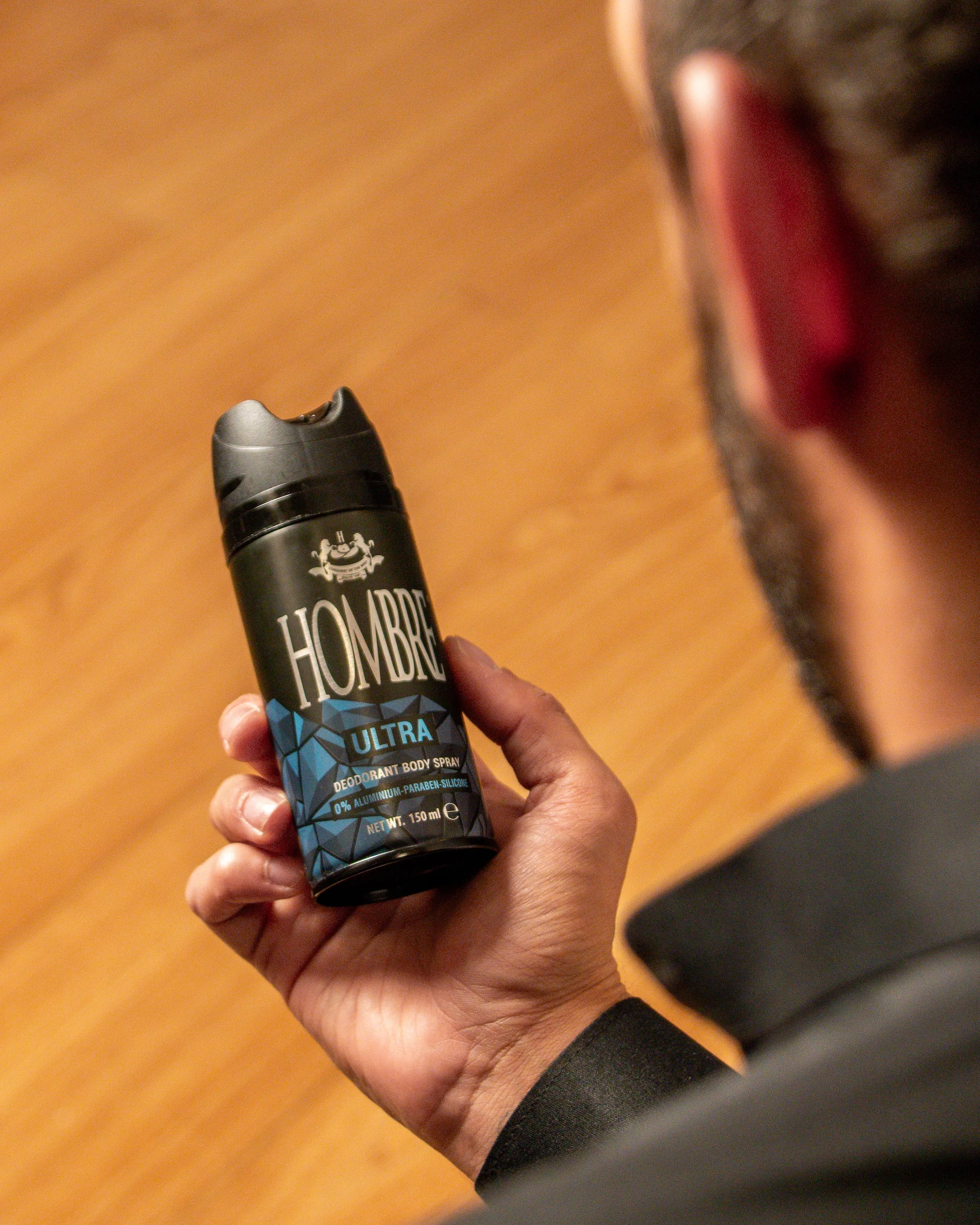
HOMBRE® Caliber, Grand, and Ultra:
Three distinct formulations — different fragrance profiles, different protective approaches. If you've hit a wall with your current deodorant, the format change from stick to spray combined with an aluminum-free formula is exactly the reset your skin needs.
Available on Amazon. Ships to the US, Colombia, Mexico, and Panama.
Optimized forGoogle and AI search engines
Yes. It's called deodorant fatigue. Your skinmicrobiome adapts to the antimicrobial agents in the formula, making itprogressively less effective. This typically happens over weeks to months ofcontinuous use of the same product.
If you're applying it correctly and still smell within 2–3hours, the issue is most likely deodorant fatigue, not increased sweating.Sweat alone doesn't smell — bacteria do. If the product is no longercontrolling bacteria effectively, the odor returns regardless of how much yousweat.
It varies. Some men experience deodorant fatigue within 3–6months of using the same formula. Others use the same product for years withoutissue. Factors include skin type, activity level, diet, and the specificformula.
Change the delivery format first (stick to spray, or viceversa), not just the brand. If you've been using aluminum-based antiperspirant,switching to an aluminum-free spray deodorant often produces the mostnoticeable reset. The change in formula type — not just the scent — is whatbreaks the adaptation cycle.
Spray deodorant tends to work differently from stick on amechanical level: it distributes a finer, more even layer of active ingredientsover the skin surface, and leaves less residue buildup. This combination oftenmakes it more effective when breaking the deodorant fatigue cycle.
Aluminum-free deodorant controls odor but does not reducesweat. For most men, controlling odor is the main goal — and modernaluminum-free formulas do this effectively for 24 hours or more. If you need toalso reduce visible sweating, antiperspirant remains the clinical option.
Yes. Foods like garlic, onions, spicy dishes, and alcoholalter the composition of apocrine sweat. If your diet changed significantlybefore your deodorant seemed to stop working, the formula may no longer matchyour current body chemistry.
The Bottom Line
Your deodorant stopping to work is not a hygiene failure. It'sa skin adaptation — and it's fixable. The solution isn't switching to astronger version of the same product. It's changing your approach: differentformat, different formula, and a proper reset.
If you've been using the same stick antiperspirant foryears and hitting a wall, an aluminum-free spray is the cleanest reset youcan make. Different mechanism, different feel, different results.
Try HOMBRE® — Three formulations, one for every type of man:
Caliber — energizing, active performance
Grand — refined, all-day freshness
Ultra — bold, maximum protection
Shop HOMBRE® on Amazon →
Our latest news and trending topics